Sport is motion reduced to a single frame, but that frame carries narrative. It can show a decisive moment in a game, the texture of a callused hand, or the quiet focus before kick-off. Pure Sport Images started from a simple belief: photography should do more than document results, it should reveal who an athlete is and why they move the way they do. This is the story of how images become storytelling tools, and why athletes, coaches, clubs, and brands in Melbourne come back for that particular mix of craft and judgement.
Why the story matters
A winning photograph changes how someone remembers a match, a season, or a career. I have seen a single portrait reframe a player who was dismissed as inconsistent, turning public perception toward grit and resilience. I have watched parents keep a black and white close-up of a child’s fist on a trophy shelf for a decade. Those are small, human outcomes, but they accumulate. For teams that need to sell membership and sponsors that want authentic connection, images deliver value measured in attention and trust. For Pure Sport Images, each job is an argument that photography can be both serviceable and soulful.
How Pure Sport Images approaches assignment Additional info photography
There are three overlapping priorities on location: anticipation, composition, and context. Good equipment and technical skill matter, obviously, but the choices that make a photo memorable are often made before the shutter is pressed. Anticipation means reading the game and placing yourself where events are likely to congeal into an image. Composition is how you shape light, bodies, and space to emphasize story. Context is what you include around the subject to make the photo mean something beyond motion.
A practical example: at a suburban netball final in Melbourne, the most obvious photo would have been the winning shot, the ball crossing the line. Instead, the photographer positioned behind the shooter, low and wide, catching both the arc of the ball and the goalkeeper’s outstretched hand in the foreground. The shot framed tension and consequence in one picture. The club used that image in social media and membership packs, and engagement rose noticeably for that campaign.
Balancing documentary and editorial impulses
There is a trade-off between covering every action and creating editorially strong images. Pure Sport Images balances this by mixing two approaches on most assignments. First, a documentary sweep to ensure no key event is missed, useful for official records and sponsors. Second, an editorial layer where time is slowed, setups are allowed, and portraits or staged shots are created to communicate identity or campaign messaging. On average, a club shoot will allocate about 60 percent of time to documentary coverage, and 40 percent to planned editorial portraits and detail shots. That ratio shifts with the brief. For a commercial sponsor launch, the editorial portion might rise to 70 percent.
Technical choices that shape narrative
Lens choice, shutter speed, and angle are narrative decisions, not just technical ones. A long lens compresses background and isolates a subject, which is useful for frontline athletes and dramatic plays. A 70-200mm at f/2.8 is a workhorse for capturing decisive moments while preserving background blur. A wider lens, like a 24-70mm, can convey environmental context, useful for training photos that want to show a gym, the coaching staff, or a gritty local field.
Shutter speed controls motion depiction. Freeze action at 1/1000 second or faster to emphasize power. Slow it to 1/125 or less and pan with the athlete to render motion blur, suggesting speed and momentum. In low light community games in Melbourne, balancing ISO noise against motion can be the hardest decision; the choice is often to accept a little noise in order to preserve the motion and emotion of the play.
Portraiture for athletes, not models
Athlete portraits should feel like the person in the picture could step off the print and onto the field. That means avoiding over-posed setups or beauty lighting that belongs in fashion. A good portrait session at Pure Sport Images usually lasts 20 to 30 minutes. It begins with conversation on the first two minutes, then moves to physical poses that feel natural. I prefer two types of portraits: the environmental portrait, where the subject sits or stands in their usual surroundings, holding a piece of equipment; and the character portrait, tighter and moodier, with controlled light to reveal textures like jawline, sweat, scars, and dirt.
Pick a time of day for outdoor portraits, a window photographer’s call: early morning or late afternoon, when light is soft and directional. For indoor sessions, flag uncontrolled fluorescent light, and use a single key light to shape the face and preserve atmosphere. Coaches and sponsors appreciate environmental portraits because they convey authenticity, while high-contrast character portraits work well for feature pieces and campaign imagery.
How Pure Sport Images works with clubs and sponsors
Working with a club or sponsor is about aligning goals. A football club may want images for recruitment, social media, and printed programs. A sponsor might need a campaign that ties an athlete’s backstory to the brand. Pure Sport Images creates deliverables that map to these needs: a hero image for headline use, a small suite of portrait options, match highlights, and lifestyle images for behind-the-scenes storytelling.
A common brief might ask for 60 final images delivered within a week, covering a home game and a 30-minute portrait session. Pricing and deliverables are negotiated with the understanding that rapid turnaround and licensing for sponsor use change the workload. For example, exclusive commercial licensing for a brand campaign will be priced higher than standard editorial use.
Working in Melbourne, and what that means
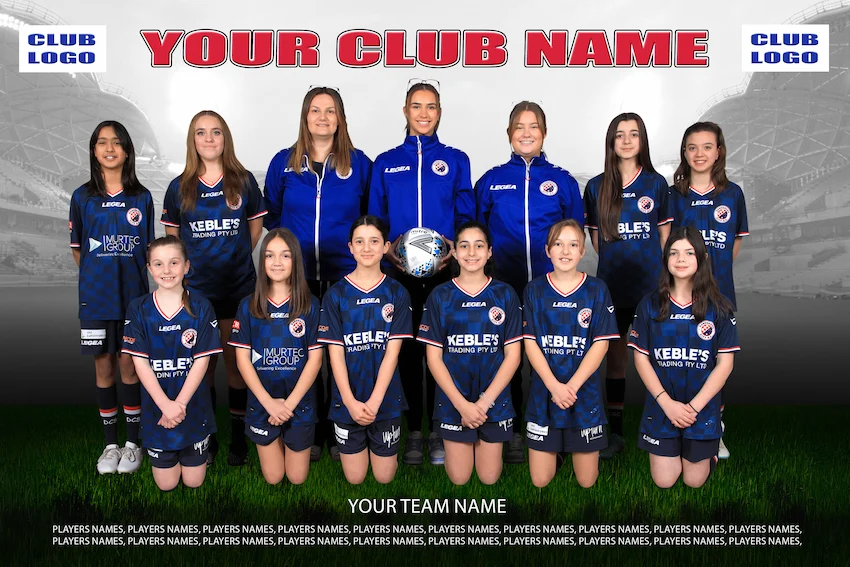
Melbourne presents a unique mix of high-level elite sport and vibrant grassroots competition. From AFL games to suburban soccer tournaments, the photographic opportunities are varied. Sports Photography Melbourne markets require flexibility; weather can change in minutes, so a Melbourne sports photographer must travel light yet be prepared. I carry redundant batteries, two bodies, and three lenses for most assignments: a wide zoom, a mid telephoto, and a super-telephoto. That setup handles the majority of situations without excess gear or delay.
The crowd culture here also matters. Melbourne fans are vocal and visual, and their gestures contribute to the image’s story. Capturing the crowd at a decisive moment — a child with face paint, a coach’s expression, or a fan’s hand raised in triumph — often elevates a sports image from record to narrative. Club historians and social media managers in Melbourne value those contextual moments as much as the action.
Editing with narrative intent
Selection is where the story becomes explicit. From hundreds or thousands of raw frames, the editor chooses images that, together, tell a coherent story. That means sequencing matters. An edit that starts with a warm-up portrait, moves into early game energy, shows a turning point, and then closes with exhaustion or triumph feels complete.
Color grading also carries meaning. Neutral tones and muted color can suggest grit and realism. Rich, saturated color sells heroism and excitement. Black and white reduces distraction and emphasizes texture and emotion. For Pure Sport Images, I usually offer both a color edit and one black and white hero version of the same shot, giving clients options for different platforms and print.
A short checklist for a compelling athlete portrait
Choose a setting that tells something true about the athlete, either a field, gym, or a meaningful urban backdrop. Use directional light to carve the face and reveal texture, avoid flat front lighting. Capture a natural expression by prompting action rather than static posing, for example ask them to demonstrate a simple movement. Include one piece of kit to anchor identity, a ball, stick, or jersey works better than props. Shoot both tight and wide, so there are options for social posts, website banners, and press.Story-driven photo usage
A single image can be used across many platforms, but presentation must be adapted. A wide hero image crops for a website banner, a vertical tight portrait fits Instagram Stories, and a high-resolution, carefully color-managed file is needed for print. Pure Sport Images provides files in multiple sizes and color spaces: sRGB web files for digital uses and Adobe RGB or ProPhoto files for print, if requested. Clear licensing terms prevent confusion; clubs get standard editorial usage rights, while brands often opt for additional commercial licenses.
Measuring impact
It is tempting to reduce image success to clicks or likes. Engagement metrics matter, but I consider other outcomes equally important. Sponsorship enquiries after a campaign, increased membership sign-ups, or a sponsor renewing a contract after being pleased with creative output are harder to quantify, but speak to long-term value. In one campaign for a local Melbourne club, a set of images used in recruitment messaging increased enquiries by roughly 40 percent over the same period the previous season, according to the club’s membership manager. That translated into additional revenue and justified a larger photography budget the following year.
Dealing with edge cases
Not all assignments fit the ideal formula. Some athletes are camera-shy, and some venues have strict media rules. High school events may restrict flash, or a corporate sponsor may require logo placement in a specific frame zone. Pure Sport Images approaches these situations with practical solutions. For shy athletes, building rapport with short, low-pressure sessions and using off-camera direction helps. For venues with tight rules, pre-planning and a one-page camera operating plan, approved by organizers, keeps photography compliant. When a sponsor wants prominent branding, I negotiate composition so the logo is present without overpowering the athlete’s personality.
Why storytelling beats generic stock
Stock photography can fill a visual need, but it cannot replace authentic storytelling. Photos that come from real practice sessions, real families, and real environments carry details that stock cannot reproduce. Those details matter to fans and to local sponsors, who value authenticity and shared context. Pure Sport Images focuses on bespoke content that reflects Melbourne’s sporting culture, not generic imagery that could belong to any city.
A short list of typical services offered
Match day coverage, including action, fans, and midfield moments. Athlete portraits, environmental and character styles. Sponsor content, tailored for ad campaigns and activation. Editorial features, photo essays and long-form storytelling. Quick turnaround packages, with same-week delivery for social needs.Pricing and value
Photography pricing should reflect preparation, skill, and post-production. For clubs with small budgets, Pure Sport Images offers compact packages: a two-hour shoot, 30 edited images, and web-ready files. For brands and campaigns, full-day coverage with comprehensive licensing is the norm. Clients often tell me they initially treated photography as a commodity, then realized quality images generate measurable returns. Budgeting for professional imagery, especially in a city with heavy sporting competition like Melbourne, pays back through clearer branding and better fan engagement.
Working relationships that last
The best client relationships are iterative. A club that understands the value of consistent image language across seasons benefits from lower costs per shoot, because brand familiarity streamlines creative decision-making. Pure Sport Images often becomes the visual memory of a club over multiple seasons, and that continuity matters. It builds an archive that can be mined for anniversary materials, season reviews, and sponsor retrospectives. Clients often remark that having a single trusted sports photographer Melbourne-based makes communications faster and more reliable.
Final thoughts on choosing a sports photographer in Melbourne
When you hire a Melbourne sports photographer, look beyond gear lists. Ask for examples of storytelling in their portfolio, not just peak-action frames. Discuss turnaround times, file delivery, and licensing terms. Request a short plan for the shoot, including how they will handle weather, lighting, and any venue restrictions. Ask for references who can speak to impact, not just niceness on the day.
Pure Sport Images positions itself where technical competence meets narrative intent. The work favors the curious photographer who invests in relationships, and the client who values images as an investment in identity. In a city passionate about sport, that combination yields images people remember, campaign assets that perform, and a visual history that lasts longer than a single season.
Pure Sport Images
23 Grandview Ave, Mulgrave VIC 3170, Australia
+61 413 157 614
[email protected]
Website: https://puresportimages.com.au/